Which Art Supplies Actually Help With Anxiety (And Which Just Add Pressure)
Not every art supply serves the same purpose, and for anxiety relief specifically, some materials quietly work against the calm they’re supposed to create by adding a layer of performance pressure or cleanup stress. The supply choice matters more than it gets credit for. Here is which materials genuinely lower the barrier to a calming practice, and which ones tend to backfire.
Why Some Supplies Quietly Add Pressure
The hidden friction: the the-permanence-of-the-medium-raises-stakes (the ink or permanent marker making every mark feel final in a way that raises the psychological stakes of starting at all — the permanence-can-turn-play-into-performance), the the-expensive-materials-create-a-fear-of-waste (the a pricey set of watercolors making someone hesitate to just experiment freely, worried about wasting good paint — the cost-consciousness-undermines-the-freedom-the-activity-is-supposed-to-provide), the the-complex-setup-and-cleanup-adds-a-barrier-before-starting (the a medium requiring significant setup and cleanup, like oil paints with solvents, adding friction that can outweigh a short calming session’s benefit — the setup-cost-can-exceed-the-benefit-for-a-quick-session), the the-skill-gap-awareness-triggers-self-judgment (the a medium that visibly reveals technical skill gaps, like realistic figure drawing, sometimes triggering the same self-critical loop the activity was meant to interrupt, connecting to perfectionism-in-calm-hobbies-guide — the skill-visible-mediums-can-backfire-for-anxiety-specifically), the the-open-ended-blank-page-can-be-its-own-stressor (the a large blank canvas with no structure sometimes feeling more intimidating than calming for an anxious beginner — the total-freedom-isnt-always-the-least-stressful-option), and the reframe (the wrong-supply problem as real and specific — not every art material serves a calming purpose equally well, regardless of general creative merit).
What Actually Lowers the Barrier
The genuinely calming choices: the the-adult-coloring-books-remove-the-blank-page-problem (the pre-drawn structure removing the intimidating blank-page decision entirely, echoed in adult-coloring-for-calm-guide — the structure-removes-the-hardest-part-of-starting), the the-forgiving-erasable-mediums (the pencil, water-soluble crayons or erasable colored pencils removing the permanence pressure that ink carries — the reversibility-lowers-the-psychological-stakes), the the-low-cost-supplies-remove-waste-anxiety (the inexpensive materials specifically chosen so mistakes and experimentation feel free rather than costly — the cheap-materials-buy-genuine-creative-freedom), the the-repetitive-pattern-based-mediums (the zentangle-style repetitive pattern work, per zentangle-for-anxiety-guide, requiring no representational skill and offering a meditative, low-stakes structure — the repetition-based-mediums-need-no-artistic-skill-to-feel-successful), the the-quick-setup-quick-cleanup-materials (the a simple sketchbook and pencil requiring under a minute of setup and cleanup, maximizing the ratio of calming time to logistics time — the minimal-logistics-maximizes-actual-calming-time), and the frame (the genuinely calming supply list as coloring books, erasable mediums, cheap materials, pattern-based work, and low-setup tools — chosen specifically for low stakes and low friction, not for artistic output).
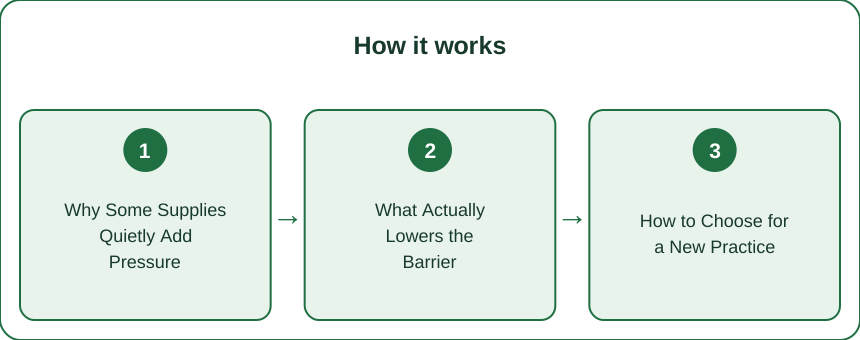
How to Choose for a New Practice
The decision framework: the ask-does-a-mistake-feel-costly (the choosing erasable or cheap materials whenever the answer is yes, since cost-related mistake anxiety directly undercuts the calming purpose — the mistake-cost-is-the-first-filter), the the-ask-how-much-setup-time-is-realistic (the matching the medium’s logistics to the actual available time, since a five-minute session doesn’t suit a medium needing fifteen minutes of setup — the match-logistics-to-actual-available-time), the the-start-with-structure-add-freedom-later (the beginning with coloring books or pattern-based work before graduating to open-ended blank-page mediums once the practice itself feels comfortable, similar to starting-a-creative-hobby-for-stress-relief-guide sequencing — the structure-first-freedom-later-sequencing-works-better-for-anxiety-specifically), the the-notice-which-supplies-actually-get-used (the tracking which materials keep getting picked up versus which sit unused, letting actual behavior override assumptions about what should be calming — the actual-usage-is-more-honest-than-a-planned-preference), the the-permission-to-switch-supplies-anytime (the not committing permanently to one medium if it stops feeling calming, since the goal is the calming effect, not mastery of any particular material — the the-supply-serves-the-calm-not-the-other-way-around), and the frame (the choice process as filtering by mistake-cost and setup time, starting structured, and letting real usage patterns guide any future supply purchases).
Not all art supplies serve an anxiety-calming purpose equally well — permanent mediums, expensive materials, and anything with heavy setup or cleanup tend to quietly add the same performance pressure and friction the activity was meant to relieve. Coloring books, erasable pencils, cheap materials, and repetitive pattern-based work like zentangle genuinely lower the barrier by removing the blank-page problem, the fear of costly mistakes, and any real skill requirement. Starting with structured, low-stakes supplies and only adding open-ended freedom once the practice itself feels comfortable respects what the anxiety relief actually needs — and switching supplies anytime a material stops feeling calming keeps the purpose front and center over any attachment to a particular medium.
Keep Reading
This article is for general informational and styling purposes only. Fit, sizing, and product availability may vary.