The Watercolor-for-Anxiety Mistake That Makes Beginners Quit After One Session
Quick Answer: The most common beginner mistake is trying to control the water too tightly, chasing a ‘correct’ result instead of letting the pigment move. Watercolor’s calming effect comes specifically from its unpredictability — fighting that turns a relaxation practice into a frustration practice.
Someone recommends watercolor for anxiety, you buy a starter set, and your first session leaves you more frustrated than when you started. That’s not a sign watercolor isn’t for you — it’s a sign of one very fixable mistake almost everyone makes first.
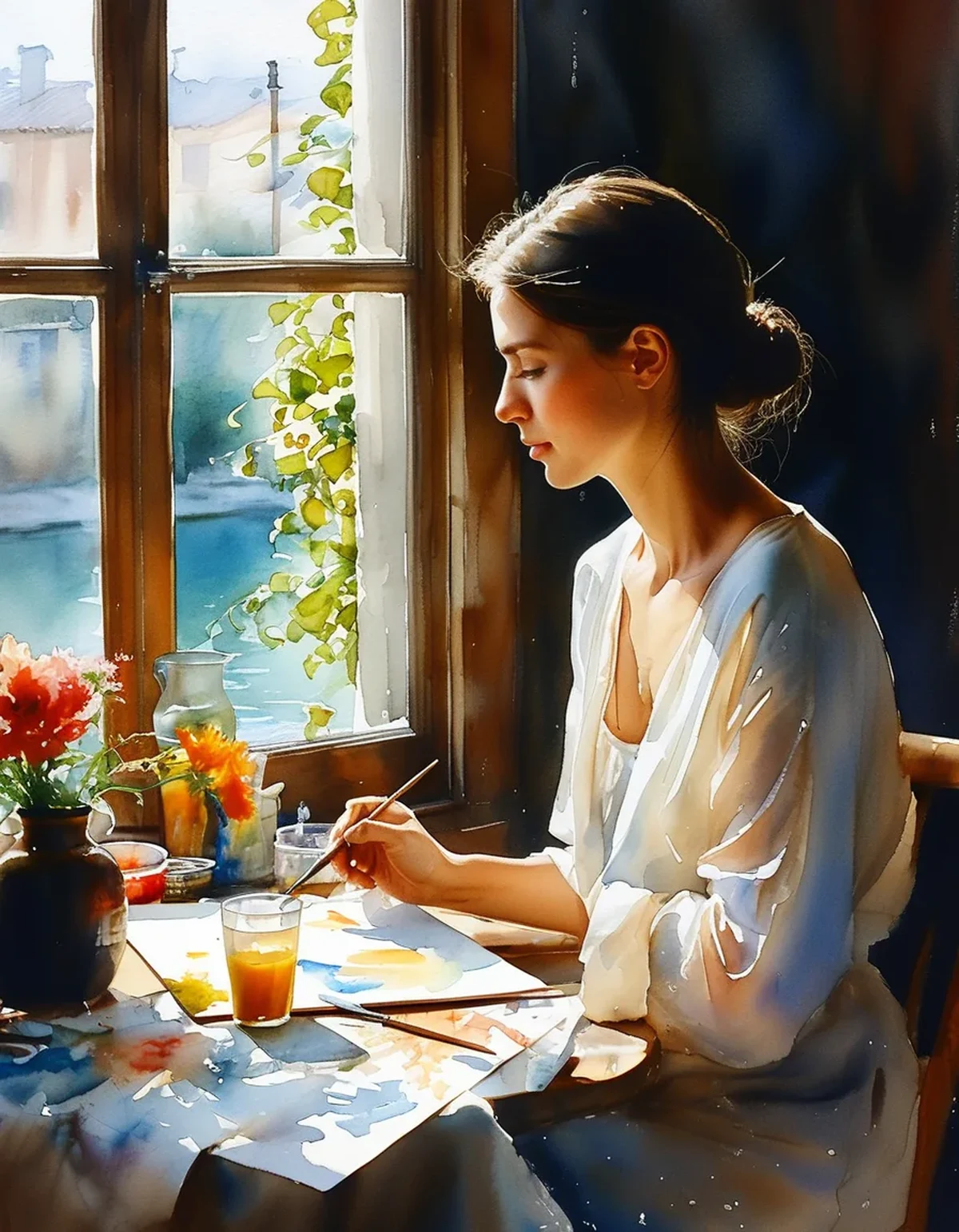
Why does watercolor get recommended for anxiety specifically?
Because unlike acrylic or colored pencil, watercolor can’t be fully controlled — pigment blooms, water pools, and edges soften in ways you can guide but not dictate. This built-in unpredictability is exactly what makes it useful for anxiety: it requires practicing acceptance of an imperfect, uncontrolled outcome in real time, which is a transferable skill for anxious minds used to over-controlling everything.
The calming effect isn’t from the painting looking good. It’s from the practice of letting go while your hands are still moving.
What does the ‘fighting the water’ mistake actually look like?
It looks like constantly dabbing at wet paint to fix blooms, over-mixing colors on the paper to avoid any unevenness, or restarting a piece the moment it doesn’t go as planned. Every one of these is an attempt to force the exact same control you’d use in colored pencil onto a medium that fundamentally doesn’t work that way.
The irony is that fighting the water usually makes the piece look worse, not better — overworked watercolor gets muddy and loses the light, luminous quality that makes it satisfying in the first place.
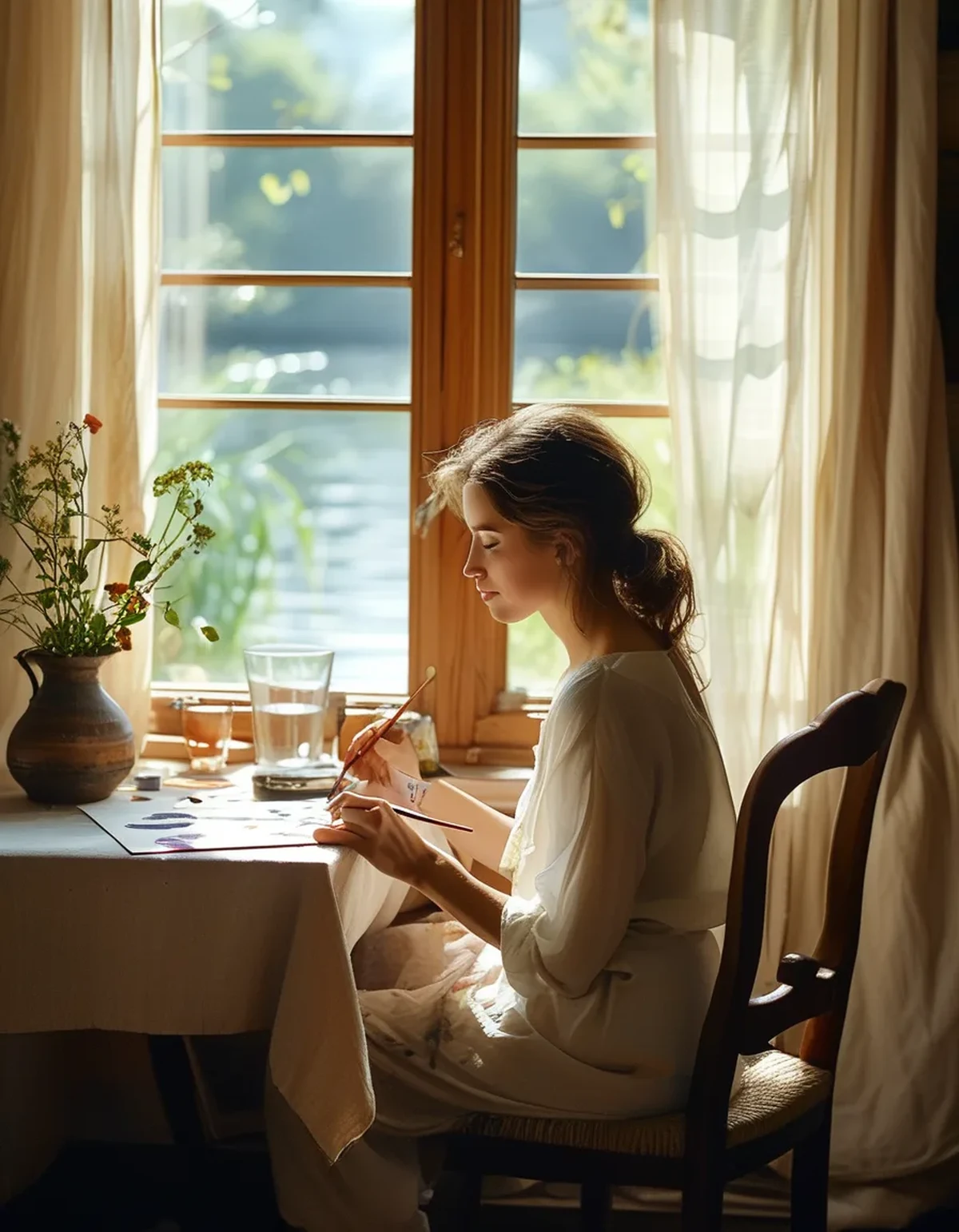
What Nobody Tells You About Doing Watercolor ‘Wrong’
Here’s the part beginner tutorials skip: the blooms and bleeds you’re trying to prevent are often the best part of the painting. That unplanned starburst where two colors met wet-on-wet is frequently the exact effect experienced watercolorists spend years trying to recreate on purpose.
If you can reframe your first 10 ‘mistakes’ as texture instead of errors, the anxiety-reduction benefit shows up almost immediately — because you’ve stopped monitoring the outcome and started just being in the process.
How do you actually practice letting go if it feels impossible at first?
Start with an exercise that has no target outcome at all — wet a small area of paper, drop in 2-3 colors, and watch what happens without trying to shape it into anything. No subject, no plan, just observation.
Doing this for 5-10 minutes before any ‘real’ painting resets your relationship with the medium each session, and it’s often the single fastest way to unlearn the control instinct that causes the frustration.
FAQ: Watercolor for Anxiety Questions, Answered
Do I need expensive supplies to start with watercolor for anxiety?
No — a basic student-grade set and cheap watercolor paper are enough to practice the letting-go skill; expensive supplies don’t change the core practice.
How long should a calming watercolor session be?
Even 10-15 minutes is enough to get the benefit — this isn’t about finishing a piece, it’s about the process itself.
What if I still find watercolor frustrating after trying this?
Some people genuinely prefer a more controlled medium like colored pencil or gouache, and that’s a legitimate preference — the calming benefit comes from finding a practice that fits you, not from forcing one specific medium.
TL;DR:
- Watercolor’s calming effect comes from its unpredictability, not despite it
- Fighting the water to control every bloom is the most common beginner frustration
- Blooms and bleeds are often the best part of a piece, not a mistake to fix
- Start with a no-target exercise to reset your relationship with the medium
The goal was never a perfect painting. Let the water do something you didn’t plan and notice how that feels.
Keep Reading
This article is for general informational and styling purposes only. Fit, sizing, and product availability may vary.