Why Adult Coloring Books Actually Reduce Anxiety — the Science Behind the Trend
Quick Answer: Coloring reduces anxiety by engaging focused, repetitive attention that occupies the same mental bandwidth anxious rumination uses — it’s a form of active meditation. Complex geometric patterns work better than simple ones for this effect.
It sounds almost too simple: color inside some lines, feel calmer. But there’s an actual mechanism at work, and it explains why some coloring sessions calm you down while others just feel like busywork.
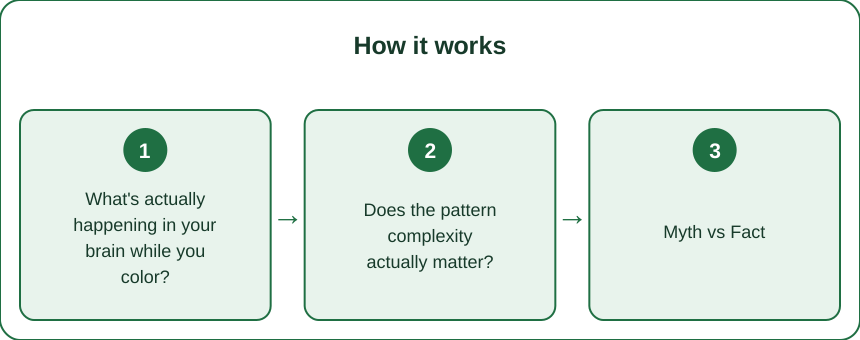
What’s actually happening in your brain while you color?
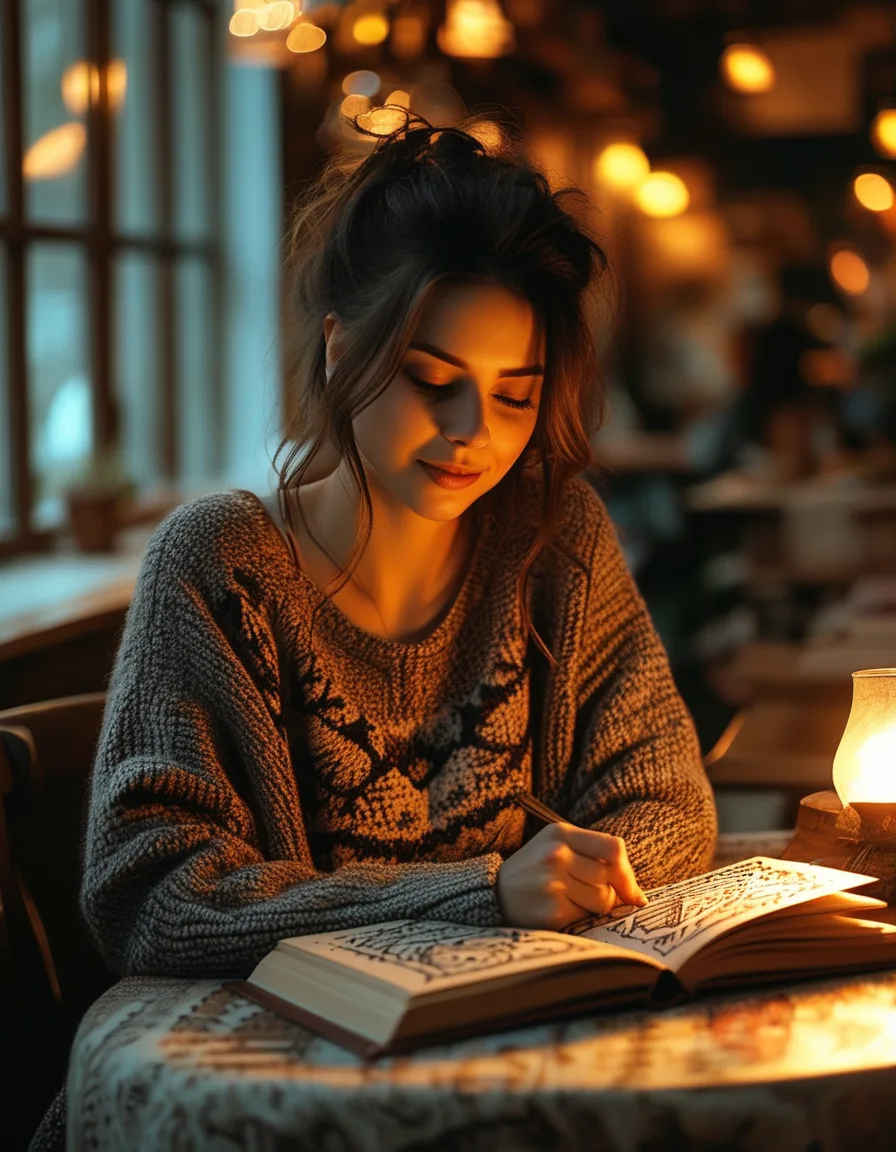
Anxious rumination and focused coloring compete for the same mental resource — your attention. When you’re absorbed in choosing colors and staying within intricate lines, there’s less bandwidth left for the looping worry thoughts that fuel anxiety.
This is the same principle behind meditation’s calming effect: it’s not that coloring is magic, it’s that sustained, structured attention on a neutral task crowds out rumination in a way that passive activities like scrolling don’t.
Does the pattern complexity actually matter?
Yes — research comparing coloring styles found that complex, geometric mandala-style patterns produced greater reductions in anxious mood than simple, plain shapes or free-form doodling.
The theory: intricate patterns demand just enough sustained focus to fully occupy attention, without requiring the open-ended decision-making of blank-page art, which can itself feel effortful or anxiety-provoking for some people.
Myth vs Fact: Adult Coloring for Anxiety
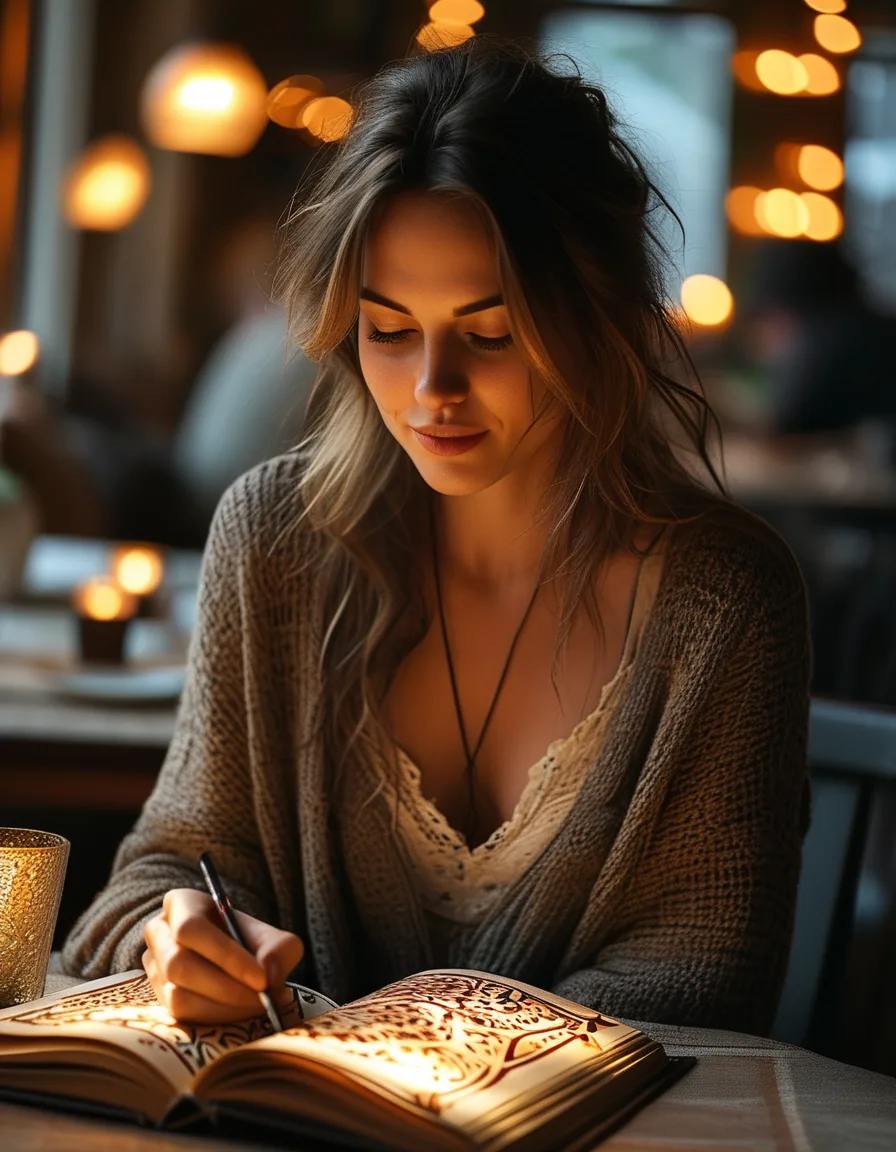
Myth: It’s just a fad with no real research behind it. Fact: Multiple small studies have measured mood before and after coloring sessions and found real reductions in anxious mood ratings, particularly with structured, complex patterns.
Myth: Any relaxing activity works exactly the same way. Fact: Passive activities (watching TV, scrolling) don’t require the same focused attention, so they don’t compete with rumination the same way — that’s why coloring can outperform ‘relaxing’ screen time for anxious minds.
Myth: You need artistic skill to benefit. Fact: The benefit comes from the process and focus, not the output — a ‘bad’ coloring page still occupies your attention just as effectively as a ‘good’ one.
How do you get the most out of a coloring session?
Set aside 15-20 minutes of uninterrupted time — phone away, not on in the background. Choose a complex pattern rather than a simple one for the strongest focus-absorbing effect.
Don’t rush toward finishing the page; the anxiety-reducing part is the sustained attention during the process, not completing the image. A half-finished page after 20 calm minutes did its job just as well as a completed one.
FAQ: Adult Coloring for Anxiety Questions, Answered
How often should I color for it to help with anxiety?
Even 2-3 sessions a week of 15-20 minutes shows benefit in studied groups — it doesn’t need to be a daily habit to have an effect.
Does coloring help with sleep-related anxiety too?
Many people use it as a screen-free wind-down activity before bed, since it avoids blue light and occupies rumination the same way it does during the day.
Is coloring a replacement for anxiety treatment?
No — it’s a supportive, low-cost coping tool, not a substitute for therapy or treatment of clinical anxiety. This is general information, not medical advice.
TL;DR:
- Coloring competes with anxious rumination for the same attention, crowding out worry loops
- Complex geometric patterns beat simple shapes for calming effect
- The benefit comes from focused process, not artistic skill or a finished page
- 15-20 minutes, phone away, 2-3 times a week is enough to notice a difference
Grab a complex pattern page tonight instead of your phone during your usual wind-down window and notice the difference after just one session.
Keep Reading
This article is for general informational and styling purposes only. Fit, sizing, and product availability may vary.